
In 2026, marketing is no longer about reaching more people; it’s about reaching the right people.
If your ads are getting clicks but not conversions, or your content is getting views but not leads, the problem is often simple:
You don’t truly understand your audience.
That’s where buyer persona development becomes critical.
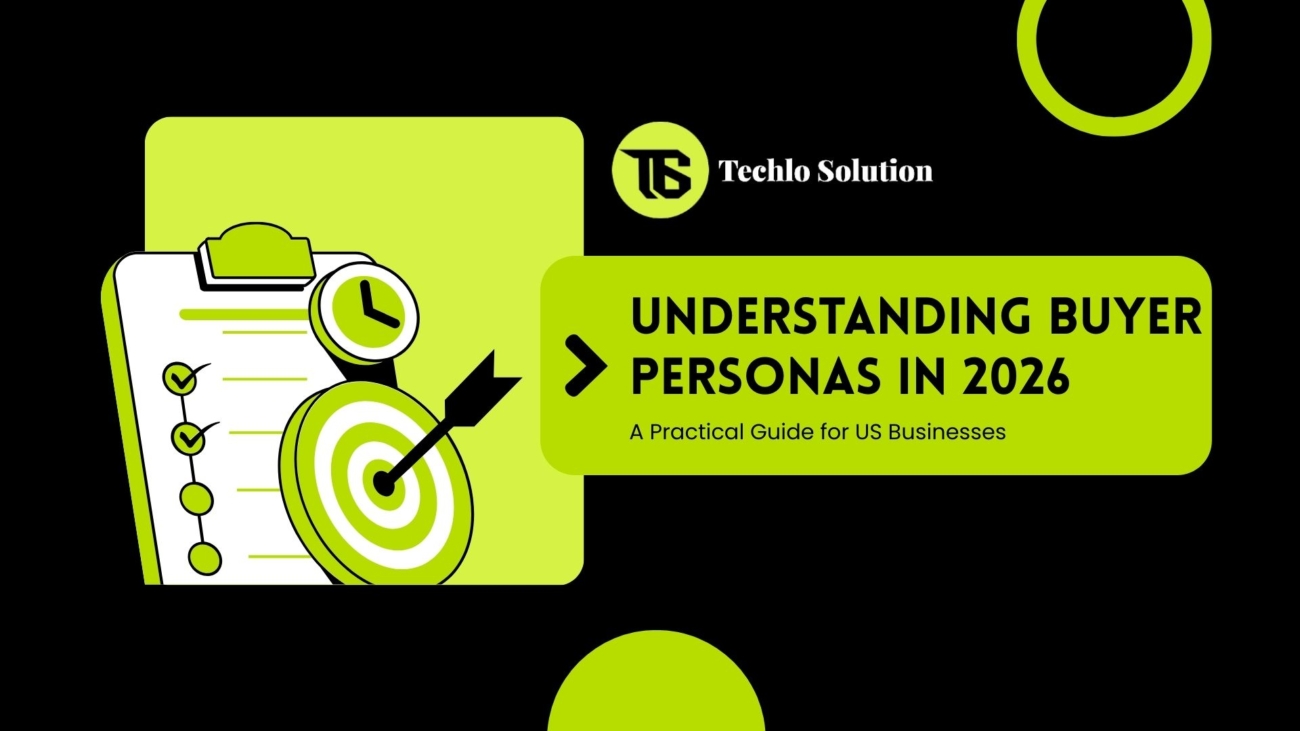
For businesses in the United States, buyer personas are no longer optional marketing exercises. They are strategic tools that directly affect targeting, messaging, conversions, and sales alignment. In this guide, you’ll learn how to create buyer personas in 2026, using data-driven methods, real examples, and beginner-friendly frameworks.
What Is Buyer Persona Development?
Buyer persona development is the process of creating semi-fictional profiles of your ideal customers based on real data, research, and behavior patterns.
A buyer persona helps you understand:
- Who your customers are
- What problems they are trying to solve
- How they make buying decisions
- What motivates or blocks them
Unlike guesswork, personas give your marketing and sales teams clarity and focus.
Why Buyer Personas Matter More in 2026
The US digital market is more competitive than ever. Rising ad costs, AI-driven platforms, and privacy restrictions mean wasted targeting is expensive.
Buyer personas help businesses:
- Improve conversion rates
- Reduce ad spend waste
- Create relevant content
- Align sales and marketing
- Build trust with the right audience
In short, buyer personas for marketing are essential for growth.
Buyer Personas vs Marketing Personas: What’s the Difference?
Many businesses confuse these terms.
Buyer Personas
- Focus on decision-makers
- Include buying behavior and motivations
- Used by marketing and sales
Marketing Personas
- Broader audience profiles
- Focus more on content and messaging
👉 For most businesses, buyer persona development delivers more commercial value than generic marketing personas.
Buyer Persona Framework for 2026
A modern buyer persona framework includes both data and human insight.
Core elements of a buyer persona:
- Demographic data
- Psychographic data
- Pain points and motivations
- Buying behavior
- Preferred channels
- Objections and concerns
This framework works for buyer personas for small businesses, startups, and enterprises alike.
Step-by-Step: How to Create Buyer Personas
Step 1: Start with Target Audience Analysis
Begin by identifying who currently buys from you or who you want to attract.
Ask:
- Who are my best customers?
- Which clients are most profitable?
- Who converts fastest?
This step connects directly to audience targeting strategies.
Step 2: Collect Demographic and Psychographic Data
Demographic data includes:
- Age
- Gender
- Location (state/city in the USA)
- Income level
- Job title
Psychographic data includes:
- Goals
- Values
- Interests
- Fears
- Buying motivations
Together, this creates a more human profile.
Step 3: Identify Pain Points and Buyer Motivations
Understanding pain points and buyer motivations is the heart of buyer persona research.
Ask:
- What problems are they trying to solve?
- What triggers their search?
- What frustrates them with current solutions?
The better you understand pain, the stronger your messaging becomes.
Step 4: Use Data-Driven Persona Research
In 2026, assumptions are risky. Use real data.
Tools for data-driven persona research:
- Google Analytics 4
- Google Search Console
- CRM data
- Customer surveys
- Sales team feedback
This helps with user behavior analysis and accuracy.
Buyer Persona Examples
Example 1: B2B Buyer Persona
Name: Marketing Manager Mike
Location: Texas, USA
Role: Marketing Manager at a SaaS company
Pain Point: Low lead quality
Goal: Improve ROI and conversions
Decision Trigger: Data-backed solutions
This is a classic B2B buyer persona development example.
Example 2: Small Business Buyer Persona
Name: Small Business Sarah
Location: California, USA
Business Type: Local service business
Pain Point: Limited marketing budget
Goal: Get more local leads
Buying Behavior: Research-focused, cautious
This example fits buyer personas for small businesses.
Buyer Persona Template
You don’t need complex software. A simple buyer persona template can include:
- Name
- Job/Role
- Location
- Goals
- Pain Points
- Challenges
- Buying Objections
- Preferred Channels
This template supports customer persona development across teams.
Ideal Customer Profile (ICP) vs Buyer Persona
These two work best together.
Ideal Customer Profile (ICP)
- Describes the company
- Used in B2B targeting
Buyer Persona
- Describes the individual decision-maker
Using both improves customer segmentation strategies and sales alignment.
Buyer Personas and Customer Journey Mapping
Buyer personas are most powerful when paired with customer journey mapping.
Map personas across stages:
- Awareness
- Consideration
- Decision
This helps you create content and ads for each stage of the journey.
Buyer Personas for Marketing & Sales Alignment
One major benefit of buyer persona development is sales and marketing alignment.
When both teams agree on:
- Who the buyer is
- What matters to them
- How they decide
You reduce friction and increase conversions.
Digital Marketing Trends Affecting Buyer Personas in 2026
- Increased focus on first-party data
- Privacy-driven targeting limitations
- AI personalization (used ethically)
- Shorter attention spans
- Higher trust expectations
This makes accurate buyer persona research more important than ever.
Common Buyer Persona Mistakes to Avoid
Avoid these common errors:
- Creating personas based on assumptions
- Making too many personas
- Not updating personas regularly
- Ignoring real customer feedback
- Treating personas as static
Buyer personas should evolve with your market.
Local SEO and Buyer Personas
US businesses should localize personas.
Examples:
- Urban vs suburban buyers
- State-specific regulations
- Local competition
- Regional preferences
This improves local SEO and relevance.
My Real-World Experience Learning Digital Marketing
When I first started learning digital marketing, I didn’t understand buyer personas at all. Terms like SEO, Google Ads, and content marketing felt overwhelming, and I assumed success came from technical tricks. Over time, I realized that understanding people matters more than understanding tools.
In the beginning, I tried to learn everything at once, which caused confusion. Once I focused on SEO basics and audience intent, my understanding improved. I discovered that simply adding keywords is not enough. When I started creating content to genuinely help users, organic traffic from the United States slowly increased.
Tools like Google Search Console helped me see what people were actually searching for. At first, analyzing user behavior felt confusing, but regular practice made it clearer. I also noticed that when I wrote for real readers instead of search engines, performance improved.
For students, beginners, and business owners, digital marketing is realistic and future-proof—as long as you stay patient, focus on real people, and avoid shortcuts.
How Often Should You Update Buyer Personas?
In 2026, buyer personas should be reviewed:
- Every 6–12 months
- When launching new products
- When entering new US markets
- When performance drops
Markets change—your personas should too.
Conclusion: Buyer Personas Are the Foundation of Smart Marketing 🧠
In 2026, successful businesses don’t guess—they understand.
By investing in proper buyer persona development, you improve targeting, messaging, conversions, and customer relationships. Buyer personas help you stop marketing to everyone and start marketing to the right people.

👉 Call to Action:
Create or review at least one buyer persona this week. Talk to customers, analyze data, and refine your messaging. Better personas lead to better results.
FAQs: Buyer Persona Development
1. What is buyer persona development?
It’s the process of creating detailed profiles of ideal customers based on data and research.
2. How many buyer personas should a business have?
Most small to medium businesses need 2–4 core buyer personas.
3. Are buyer personas still relevant in 2026?
Yes. They are more important due to higher competition and targeting costs.
4. What data is used to create buyer personas?
Demographic data, psychographic data, behavior data, and customer feedback.
5. Do buyer personas help with paid ads?
Absolutely. They reduce wasted spending and improve ad relevance.
✍️ Author Bio (E-E-A-T)
Written by Techlo Solution.
Digital Marketing Learner & SEO Practitioner
Helping beginners and businesses understand online marketing in simple words.















 Author Bio